
Abstract
The digital divide continues to obstruct equitable access to education, particularly for students from low-income families in developing countries across the globe. This research explores the role of artificial intelligence (AI) in digital education platforms designed to support underserved communities. To address dropout rates in previous traditional offline programs, the study presents a solution that integrates AI-powered tools with multilingual content, primarily in English and Hindi. The platform provides free resources, including video tutorials, practice tests, subject-specific materials, and over 250 online tests. It also offers logical quizzes for early-grade learners, real case studies for Class 12 Mathematics, and AI-generated videos created with ChatGPT, DeepSeek, and LaTeX. Inclusive approaches were developed for hearing-impaired learners in collaboration with a partner NGO. In addition, the platform extends cost-free e-learning solutions to nonprofit organizations that lack the budget to create their own systems.
The model was successfully tested with 31 underprivileged children in Delhi, aged 10–16 years, over a nine-month period. Students took participation in free English vocabulary and computer literacy classes covering MS Word, Excel, and PowerPoint. These students were also provided free study materials and online tests. The intervention has shown remarkable outcome in which students demonstrated significant improvement by acquiring more than 300 new English words, achieving over 90% accuracy in final tests, and scoring above 60% in computer skills.
Keywords: Artificial Intelligence in Education, Bilingual Learning Resources (English–Hindi), Hearing-Impaired Students, Low-Income Communities and Education, Inclusive Learning Technologies
1. Introduction
Education is a basic human right and a major foundation for both social and economic development. Through education, people don’t just gain knowledge and skills—they also contribute towards society, reducing poverty, and helping communities move forward over time. But even after years of global commitments to “Education for All,” a huge number of children and young people worldwide still don’t get the quality education they deserve. This challenge is more persistent in developing and underdeveloped countries, where issues like inequality, less financial support to public funded institutions, and poor infrastructure make it really hard for schools to actually teach students well (UNESCO, 2015). The digital divide, or the gap in access to computers and the internet, makes these issues even more severe. Children from low-income families often don’t have access to laptops, reliable internet, or even the latest teaching materials, which really push them back in this competitive world and keeps them away from learning important digital skills (Warschauer, 2004; Van Dijk, 2020).
In India, these issues are more visible in rural areas and in the local private colonies in different part of the cities, where many families struggle just to fulfil the daily requirements for survival. Research has found that students belongs to this face two major challenges: they rarely have good teachers, and they almost never get to use digital tools—which is now has become pretty much essential for doing well in education and later in their career (Kingdon, 2007). And it’s not about financial constraint—sometimes parents who belong to this group don’t fully understand why digital learning matters so much for their kids. Collectively, these factors constrain students’ overall learning outcomes. So here we need solutions that are both innovative and scalable—ideas that can get around the old problems in education, make things cheaper, and still ensure that learning can be accessible to everyone, no matter where they live or what is the financial condition of their family.
Over the past five years Artificial Intelligence (AI) has played a pivotal role in educational technology. Many recent studies show that AI can support adaptive learning, make study content in many languages, give feedback instantly, and also provide teaching that is more personal and wider in reach (Holmes et al., 2019; Luckin & Cukurova, 2019; Zawacki-Richter et al., 2019). AI-based platforms are already used in different learning areas like higher education, company trainings, and language classes, and they have given promising outcomes such as more student interest, lower dropout numbers, and also improved performance in studies (Chen et al., 2020). Mostly the growth is found in those areas where availability of infrastructure is quite stable and accessibility to modern digital devices are also easy. On the other hand, comparatively fewer projects are working for such schools where poor infrastructure is there and students have fewer resources, even though their need may be the highest in such areas (Miao & Holmes, 2021).
This research tried to fill that gap by showing the development and use of an AI-powered e-learning platform, planned mainly for students who come from poor and economically weak families in India. The platform offers study materials in two languages, English and Hindi, along with interactive case-type modules in mathematics and also computer learning lessons. At the same time, the use of automated LaTeX to HTML change makes sure it can be used in many formats (Lamport, 1994), and AI-based search optimization methods help in spreading the platform to wider audiences. This mix of AI content making and sharing is quite significant because it not only reduces the dependence on traditional methods of infrastructure, but also leverages digital networks to enhance both visibility and accessibility for marginalized students.
The significance of this platform primarily lies in its two central objectives: accessibility and scalability. By giving resources for free, the platform breaks down the money barriers in learning, while AI automation lowers the heavy need for teachers in making content, doing translations which can be used by different users (Zawacki-Richter et al., 2019). Additionally, the use of two languages ensures linguistic inclusion, supporting both English-medium learners and Hindi-speaking students who often struggle with exclusively English study materials (Mohanty, 2009). This way the platform not only gives direct support to students, but it also helps schools, non-profit groups, and community centers by offering flexible and ready-to-use digital tools that can fit easily into running education programs with almost no extra cost.
Along with giving support to students from poor families, this project also stretched its aim towards learners with special needs. In partnership with a local NGO that works for the schooling of hearing-impaired children, special AI-made resources were designed—such as bilingual video lessons in Maths and English (Marschark & Hauser, 2012). This step ensured that the project addressed not only financial challenges but also issues of accessibility in education. By adding students who have hearing problems, the effort showed that AI-based tools can be shaped to fit different learning needs, and also encourage more inclusive type of education (Holmes et al., 2019).
The main goal of this research is to see if a free, AI-powered digital platform can actually help underserved students do better and get more comfortable with digital tools. We examine the extent of improvement in areas such as English vocabulary, computer skills, and STEM subjects. Simultaneously, we assess student engagement with the platform, its usability, and its potential applicability across diverse global contexts. This study contributes to the broader discussion on AI and equitable education, offering new perspectives on leveraging technology to narrow educational disparities. It also emphasizes the empowerment of traditionally marginalized groups and the promotion of inclusive learning opportunities, regardless of learners’ location or available resources (UNESCO, 2021).
2. Literature Review
2.1 AI in Education
Artificial Intelligence (AI) has been shaping pedagogical practice by supporting adaptive learning, automated content creation, and even intelligent tutoring systems. Over roughly the five years, AI-driven platforms did show strong potential to improve personalization, student engagement and also the overall teaching efficiency (Chen et al., 2020; Holmes et al., 2019; Luckin & Cukurova, 2019).
The real strength of AI, as many perceive it, lies in its ability to process large volumes of student performance data, identify learning gaps, and adapt instructional strategies in real time. This capacity positions AI not merely as a technological enhancement but as a catalyst for reimagining how education can be delivered at scale.
Platforms like Carnegie Learning’s MATHia and DreamBox use advanced AI to keep checking how students are doing and can reduce or enhance the speed of their self-learning as per their required goals. Studies show these systems can help students improve by about 0.5 standard deviations compared to regular teaching, especially in subjects like mathematics (Pane et al., 2015). When students fixed their own learning path, it really helps them master the study material. However, a key challenge remains, these platforms require reliable internet access and a certain level of digital literacy. In regions where internet accessibility, computers, electricity like resources are less available in such areas equitable access becomes difficult.
AI tools like GPT models, which use Natural Language Processing (NLP), are really helpful for quickly making quizzes, lesson plans, and even materials in different languages (OpenAI, 2023; Dwivedi et al., 2023). Some recent studies say that using AI for lesson planning can cut down on teachers’ workload by as much as 40% (Karsenti, 2023). This is especially helpful in schools that lack proper funding, or where teachers availability is less due to lack of funding from state. But there still remain a couple of major concerns, like ensuring that the material is culturally relevant, accurate and also usable for everyone—particularly for learners who don’t speak English well or who require unique learning resources. Therefore, AI must work in tandem with teachers who possess subject-specific expertise.
Intelligent Tutoring Systems (ITS) aim to replicate certain elements of one-on-one tutoring by identifying misconceptions and providing targeted, step-by-step feedback (VanLehn, 2011). Evidence from meta-analyses consistently demonstrates substantial learning gains in areas such as algebra, science, and language acquisition, with outcomes in some cases approaching Bloom’s well-known “two sigma effect” observed in traditional tutoring (Kulik & Fletcher, 2016). But while these systems sound highly promising, the reality is that most ITS rollouts have been limited to well-resourced schools. This leaves a rather open question about whether such tools can truly scale in rural or disadvantaged regions, where both teacher support and internet connections are weak or sometimes absent.
When enhanced by AI, gamification integrates adaptive challenges with dynamic scoreboards and personalized reward systems, sustaining learner motivation in ways that static e-learning approaches often fail to achieve. Studies suggest that such gamified approaches may lift engagement and even improve problem-solving skills by as much as 40% over more traditional, fixed online lessons (Hamari et al., 2016). And AI itself goes further by adjusting the game features to fit the learner’s own profile. However, most of these gamification solutions assume steady internet and that each student has their own device, conditions which are often missing in deprived communities.
2.2 Digital Learning for Underprivileged Students
Digital education has really become a key way to tackle the big gaps in education, especially in places with limited resources. Studies in India showed that using computers to help with learning actually boosted math scores by about 0.28 standard deviations (Banerjee et al., 2007). Big projects like One Laptop per Child also found improvements in thinking skills and reading, but the results weren’t the same everywhere (Cristia et al., 2017). It turned out that factors like how well teachers are trained, the state of infrastructure, and the way the program got adapted locally made a huge difference (Trucano, 2010). And while technology can surely help children learn, it’s quite important to see that it actually fits within the local context, otherwise the benefits may not last for long.
But there are still some major roadblocks that make it hard to expand digital learning:
Limited Internet Access: In many developing and underdeveloped countries, just around 35% of rural families actually have internet that works in a steady way (World Bank, 2020). And that’s why approaches that don’t depend fully on internet—like downloadable lessons, or apps that keep working offline—are essential to ensuring inclusive participation.
Lack of Localized Content: Most online learning study material, around 80%, is in English (UNESCO, 2019), posing a significant barrier for students who have English as a second language and don’t have resources to learn it. Research has long demonstrated that children learn more effectively, retain knowledge better, and develop stronger reading skills when instructed in their native language (Cummins, 2000).
Device Accessibility: In India, for example, only 24% of students from poor families actually have a smartphone (ASER Centre, 2020). Because of this, people have started community programs where devices are shared, like Eneza Education in Kenya. These programs have shown that sharing devices can actually work on a big scale (Nyagah & Kombo, 2017).
Recent innovations suggest that AI may serve as an equalizing force in education. Automated translation tools now allow the quick creation of bilingual or even multilingual learning resources (Goodman, 2020). And voice-enabled technologies are widening access for learners with vision impairments, while text-intensive AI systems provide real help for hearing-impaired learners who rely on reading and sign-supported resources (Holmes et al., 2019). Offline digital libraries, specially designed for low-bandwidth conditions, are also expanding access into areas where internet connectivity is weak or just inconsistent (West & Chew, 2014). These developments together suggest that the true promise of AI in education is strongly linked to how well it adapts to local languages, infrastructures and, not to forget, accessibility needs.
2.3 Research Gap
While earlier literature does confirm AI’s potential to improve learning results, many of the actual implementations are remain confined to pilot initiatives or in schools with plenty of resources. Three key research gaps stand out here:
Localized Content: Only a handful of studies have used AI to create bilingual or multilingual resources made for underprivileged learners, even though there is solid evidence about the value of culturally grounded teaching.
Offline-Compatible Platforms: Work is still limited on AI-based gamification or adaptive systems that can run well in low-bandwidth or even fully offline conditions. This issue matters most for rural learners, where internet is often unstable.
Scalability with Accessibility Tools: Understanding remains limited regarding how AI-centered strategies—such as search engine visibility and SEO-driven outreach—could enhance the scalability of free, high-quality learning resources.
And this study attempts to respond to these gaps by testing an AI-driven, bilingual e-learning platform made for economically disadvantaged and hearing-impaired students in India. The focus is not only on offline access and accessibility features, but also on broader scalability. By doing so, the study adds both data and practical insight to the wider debate on AI in inclusive education.
3. Methodology
This research used a mixed-methods design to study the effect of AI-powered learning tools on English language growth and digital literacy for students coming from low-income households. The design followed a constructivist framework, which really focus on active involvement, problem-solving, and learner-centered interaction. At the same time, principles of connectivism were incorporated to demonstrate how digital tools facilitate collaboration, resource sharing, and the creation of scalable learning environments that often extend beyond the classroom. This combined theoretical approach made sure the intervention did not only deliver content, but also opened up ways for meaningful learner participation and social interaction.
The methodology was structured in several stages: (1) AI-assisted generation of study resources, (2) use of interactive and gamified learning tools, (3) making content more accessible and easier to find, (4) focused support for learners with special needs, and (5) ongoing collection and review of learner outcomes. And by bringing together new technology with well-known educational theories, the research tried to show how artificial intelligence can actually be used as a teaching partner in practical, real-world settings. It might seem simple at first glance, but combining theory with practice was intentional and, in some cases, necessary.
3.1 AI-Generated Study Materials
AI tools were used to build bilingual (English–Hindi) vocabulary lists, grammar tasks, and mathematics case studies, making sure they matched both language accessibility and curriculum needs. The vocabulary sets combined direct translations with sample sentences, some taken from daily conversation and others from subject-specific writing. And this design helped cut down on unnecessary cognitive load, according to Sweller’s Cognitive Load Theory (Sweller, 1988), letting students put more of their energy into meaning-making instead of just word-for-word translation.
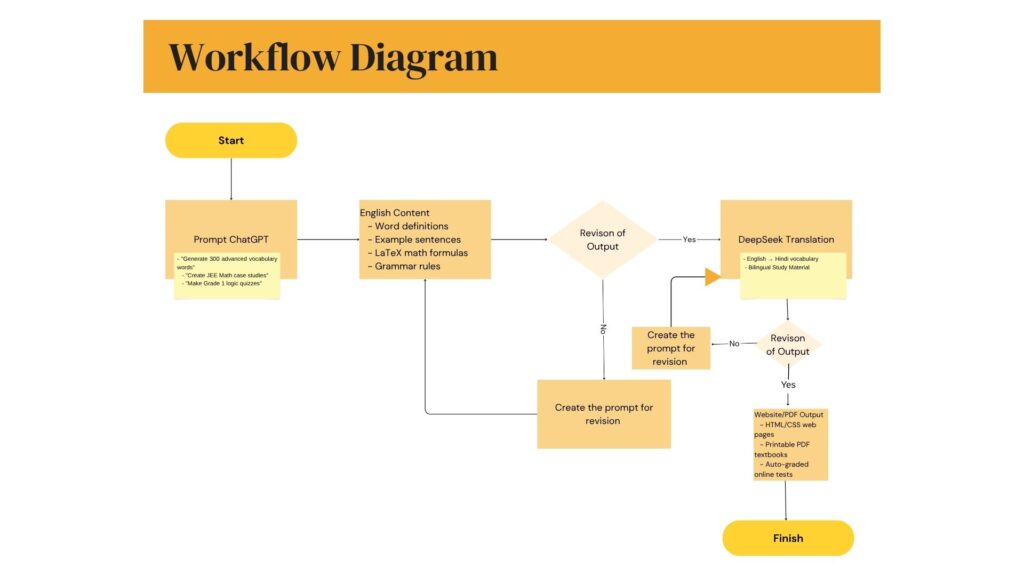
Figure I : Workflow diagram illustrating the complete process—from generating prompts to refining drafts and finalizing the output for end use
There are different levels of English vocabulary so that learners can choose their own level and test their knowledge as well using our online tests on different levels. This shifting design followed Vygotsky’s Zone of Proximal Development (Vygotsky, 1978), where instructional scaffolding supports students in moving from guided to independent work. It may appear to be a small detail, but these kinds of adjustments often have a clear impact—sometimes in ways that theory by itself cannot explain.
Mathematics resources focused on Grade 12 case studies are prepared to gain knowledge how to solve comprehension base problems in Mathematics. This will not only enhance their skill on understanding the problems but also help them to enhance skill on how to use online testing platform which will help them a lot in their future education.
Interactive quizzes were embedded throughout these resources. These not only provided immediate corrective feedback but also collected diagnostic data that informed AI-driven adjustments to subsequent materials. Such iterative feedback loops strengthened learner autonomy and reinforced self-correction practices.
3.2 Interactive Learning Tools
The interactive learning tools built into this e-learning platform are meant to make studying not only engaging but also more open and useful, especially for students who are hearing impaired. Another important aspect of the platform is the bilingual digital notes (English and Hindi). It really helps in reducing the language gap, so learners from various backgrounds can follow along and understand the material without feeling too stuck.
Along with these notes the platform includes online tests with instant feedback. This keeps users engaged with the platform, encouraging interest in the topic and supporting quicker, more enjoyable learning. After completing a test, learners receive instant feedback and detailed step-by-step explanations for any mistakes..
Besides notes and tests, the platform has added online educational games to enrich the learning process. A good example is a grammar-focused game called Grammar Defender. In this game, students practice English grammar rules by spotting errors inside sentences. Scores are awarded based on accuracy, which gives both motivation, and reinforcement of proper usage. The interactive style of such tools makes sure that language learning does not remain limited to rote memorization. Instead, it turns into an activity with elements of discovery, a bit of challenge, and measurable progress that students can actually see.
Recognizing the particular needs of hearing-impaired students, this platform brings in specially designed video lectures. These lectures mix clear visual aids, pictures, and also carefully placed captions to deliver content in a way that fits with students’ different learning preferences. The videos are designed with adjustments in pacing, layout, and explanation style to meet accessibility needs, though at times they may feel overly detailed. Still, this approach helps ensure all learners are supported.
A separate, and fairly well-structured page has been set up on the platform where all Mathematics video lectures for hearing-impaired students are gathered in one place. This kind of organized approach makes sure that both teachers and students can get to the needed content without wasting too much time, or scrolling endlessly through different sections. The page itself is built with user-friendly navigation, clear headings and a simple layout so learners can mainly focus on their studies.
By putting all the lectures together, the platform lowers barriers and really does encourage inclusive learning. And at the same time, it helps educators save time and guide students more effectively toward academic goal. Although the structure may at times seem repetitive, this redundancy is valuable because it helps guarantee that all key content is understood.
3.3 AI-Enabled Free Web-Based Mathematics Resources for Inclusive Learning
To further expand access to equitable digital education, the study includes the development of two dedicated, freely accessible web-based resources hosted through the Udgam Welfare Foundation. The first resource focuses on Class 12 Mathematics and provides chapter-wise video lectures, structured study material, and free online assessments to support board examination preparation. The second resource is designed for Joint Entrance Examination (JEE) Mathematics, offering free study material, daily practice problems, mock tests, and concept-based video tutorials aligned with both JEE Main and Advanced syllabi.
These web pages are developed using a combination of AI-assisted tools along with HTML, CSS, and LaTeX-based content design, ensuring structured presentation, consistency in mathematical notation, and accessibility across devices. The initiative is particularly significant given the scale of competitive examinations in India, where more than one million students appear annually for JEE, with a considerable proportion coming from government schools and economically disadvantaged backgrounds who often lack access to high-quality coaching resources.
By providing completely free, structured, and scalable learning content, these web-based resources aim to reduce educational disparities and support large-scale learner engagement. This effort complements the broader framework of the study by demonstrating how AI-enabled, low-cost and free digital interventions can enhance accessibility, improve learning outcomes, and contribute to inclusive education at scale.
In addition, online tests in both English and Mathematics are shaped for hearing-impaired learners. These assessments are not just ordinary or generic; instead they are built with attention to curriculum standards, while at the same time being mindful of communication methods that are most useful for these students. This combined focus on standards and communication makes the design more effective, though at times somewhat repetitive.
3.4 AI-Enabled Low-Cost Mathematics eBook Initiative for Inclusive Learning
To further enhance accessibility and affordability of quality mathematics education, this study incorporates a low-cost digital content initiative delivered through an online educational resource (MathStudy), developed by the author (see References). The author has developed a series of mathematics eBooks for secondary and senior secondary levels, including content aligned with competitive examinations, using a combination of LaTeX-based typesetting and AI-assisted tools for content structuring, problem generation, and formatting. This integrated approach ensures high-quality mathematical presentation, conceptual clarity, and consistency across topics.
In contrast to typical market pricing—where comparable digital resources are often priced at approximately ₹50 per unit—these eBooks are intentionally offered at substantially lower prices, frequently around ₹25 or less, with the aim of reducing financial barriers for students from economically disadvantaged backgrounds. Furthermore, multiple topic-specific materials have been systematically consolidated into comprehensive formats, minimizing redundancy and improving continuity in learning.
This initiative aligns with the proposed Low-Cost Integrated Digital Learning Model (LCIDLM), illustrating how AI-supported content development combined with cost-sensitive distribution strategies can expand access to high-quality educational resources while maintaining scalability and pedagogical effectiveness.
3.5 AI for Content Optimization
Accessibility was considered as one of the main design principles, maybe even the most important one. To deal with technological limits, the mathematics-rich content got converted from LaTeX into HTML so that even complex equations display correctly on mobile phones. And that mattered a lot, since most learners were actually depending on low-cost smartphones, not on laptops or desktop systems, to reach the digital content. This step, though it may look small, was crucial. The optimization made sure that mathematical notation stayed clear, readable, and also interactive across devices, even those with pretty limited computing strength.
Additionally, AI-driven Search Engine Optimization (SEO) methods were used to improve how easily resources could be found. Automated keyword extraction picked out high-volume search terms linked to English vocabulary, grammar practice, and also mathematics problem-solving. And these keywords weren’t just collected—they were placed carefully into titles, descriptions, and metadata of the resources, which made it possible for learners to discover the content more naturally through online searches. This approach to access, though a bit technical, reduced the need to rely only on formal institutions for finding material. In turn, it broadened the platform’s reach, especially for other Non-profit organizations who are working in the field of education and who can’t afford online testing platform for their students.
3.6 Participant Demographics
Total 44 students were recruited for this study however only 31 students continued the entire course duration of nine months. It has always been a challenge to maintain the attendance of such students who belong to low-income group. So, the intervention was conducted with N = 31 students which were involved in this study, recruited from households with a low-income groups. This groups of students belong to grades 7 to grade 12. The sample included 58% female and 42% male students, reflecting gender distributions common in the intervention communities.
Participants were recruited through outreach to low-income families and underfunded schools in Delhi . This partnership helped ensure ethical recruitment and provided logistical support such as safe study spaces and caregiver engagement.
A baseline assessment was conducted prior to intervention. This diagnostic instrument measured:
1. English vocabulary recognition and comprehension,
2. Grammar and sentence construction skills,
3. Basic computer literacy, including file handling and internet navigation.
The baseline served two functions: (1) providing a reference point for comparing pre- and post-test outcomes, and (2) enabling AI algorithms to personalize content delivery by adapting exercises to the learner’s demonstrated skill level.
3.7 NGO Collaboration for Special Needs Education
A key part of this approach was working alongside an NGO that focus on education for children with hearing impairment in Delhi since the year 2012. Since traditional auditory teaching methods often leave this group behind, tailored AI-driven video lessons in mathematics and English were developed. These lessons had bilingual captions, step-by-step visuals, plus a slightly slowed narration to make things clearer.
During the pilot stage, over 40 hearing-impaired students signed up, and they actually engaged quite actively with the platform. Both students and facilitators gave feedback, pointing out that the mix of visual aids and adjusted pacing really helped with understanding, and even kept learners more attentive. Notably, the pilot project demonstrated that AI-driven learning materials are not limited to mainstream students; they also hold potential for expanding access in meaningful ways for learners with special needs, though the approach is not without challenges.
3.8 Data Collection and Analysis
Data collection spanned three domains:
1. Performance metrics – Pre- and post-test scores in vocabulary and grammar, and computer literacy. These were used to quantify learning gains.
2. Engagement indicators – Automated activity logs, including quiz completion, and progress in online tests.
This methodology demonstrates that AI can not only be considered as technical alternative but also a dynamic instructional partner with the help of human involvement. By integrating educational theory with emerging AI capabilities, the intervention advanced a model where technological innovation strengthens—rather than overshadows—pedagogical objectives.
4. Results
4.1 Improved Learning Outcomes
The intervention led to clear, noticeable gains in students’ vocabulary growth, and attaining more confidence in using digital e-learning resources.
Table I: Pre-Intervention and Post Intervention Results of Students
| User ID | Maximum Marks | Pre-Intervention Results | Post Intervention Results |
| UWEFENG0625062 | 41 | 14 | 40 |
| UWFENG0625013 | 41 | 14 | 39 |
| UWFENG0625014 | 41 | 15 | 36 |
| UWFENG0625015 | 41 | 12 | 37 |
| UWFENG0625016 | 41 | 8 | 36 |
| UWFENG0625017 | 41 | 12 | 38 |
| UWFENG0625019 | 41 | 13 | 37 |
| UWFENG0625020 | 41 | 10 | 40 |
| UWFENG0625021 | 41 | 9 | 37 |
| UWFENG0625022 | 41 | 11 | 36 |
| UWFENG0625023 | 41 | 7 | 37 |
| UWFENG0625026 | 41 | 13 | 37 |
| UWFENG0625029 | 41 | 13 | 38 |
| UWFENG0625031 | 41 | 5 | 31 |
| UWFENG0625032 | 41 | 15 | 37 |
| UWFENG0625036 | 41 | 16 | 39 |
| UWFENG0625038 | 41 | 13 | 40 |
| UWFENG0625039 | 41 | 15 | 38 |
| UWFENG0625042 | 41 | 14 | 38 |
| UWFENG0625053 | 41 | 12 | 40 |
| UWFENG0625054 | 41 | 16 | 39 |
| UWFENG0625055 | 41 | 13 | 38 |
| UWFENG0625056 | 41 | 22 | 37 |
| UWFENG0625057 | 41 | 17 | 39 |
| UWFENG0625058 | 41 | 16 | 38 |
| UWFENG0625059 | 41 | 21 | 40 |
| UWFENG0625062 | 41 | 15 | 39 |
| UWFENG0625063 | 41 | 13 | 39 |
| UWFENG0625064 | 41 | 14 | 40 |
| UWFENG0625067 | 41 | 14 | 38 |
| UWFENG0625068 | 41 | 20 | 40 |
Descriptive Statistics:
Pre-Intervention Mean Score: 13.61 (SD = 3.67)
Post-Intervention Mean Score: 38.00 (SD = 1.84)
Pre-Intervention Median: 14.0
Post-Intervention Median: 38.0
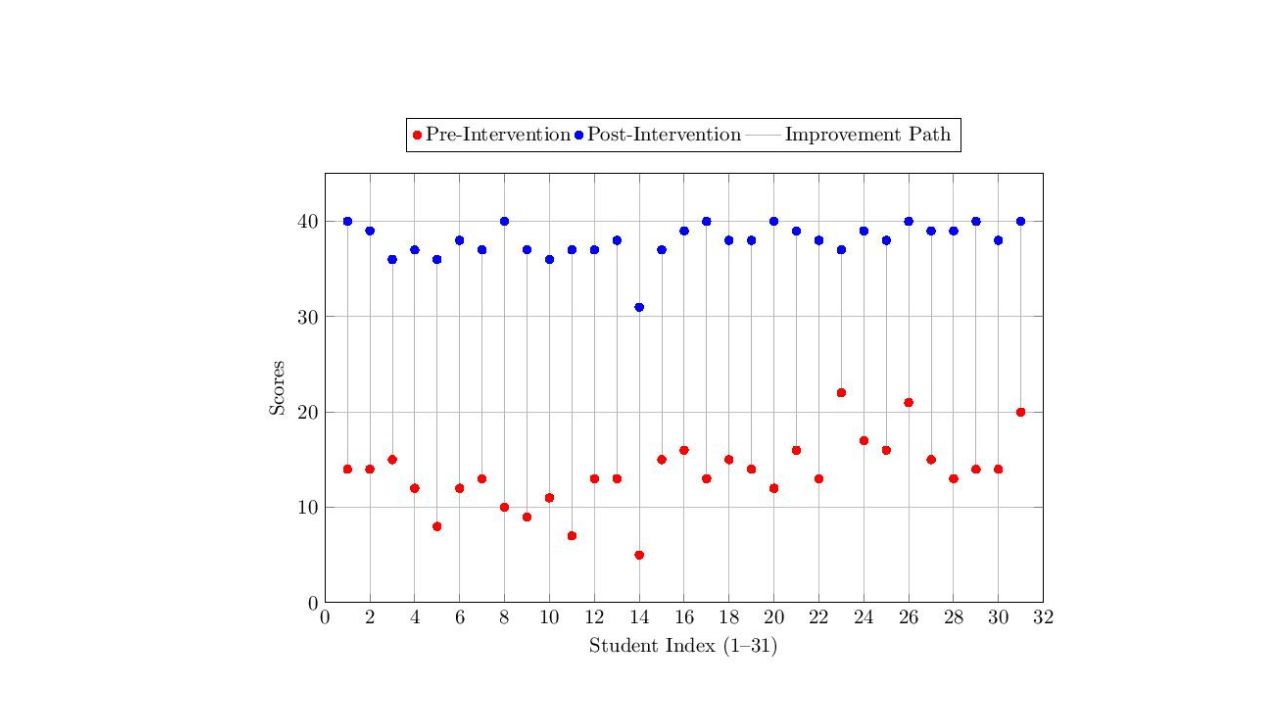
On average, the scores almost tripled when moving from pre- to post-intervention. But the drop in standard deviation shows that student performance became not only stronger, but also more steady, with less students falling way behind the group average. This does suggest the intervention was inclusive—helping the weaker learners, while at the same time still giving benefits to those who already performed higher.
Improvement Analysis:
Average Improvement: +24.39 marks (out of 41)
Range of Gains: +15 to +30 marks
Achievement Shift: From 33% pre-test average to 93% post-test average
Every participant has shown improvement, and there were basically no cases of stagnation or decline. And honestly, this kind of across-the-board progress is not common in educational interventions. This underscores the real potential of AI-driven pedagogy to narrow performance gaps. The shift in achievement from one-third mastery to almost total mastery also points to the powerful, maybe even transformative, role of adaptive content delivery mixed with online tests and quick feedback.
Figure II : Comparison of Pre-Intervention and Post-Intervention Mean Scores.
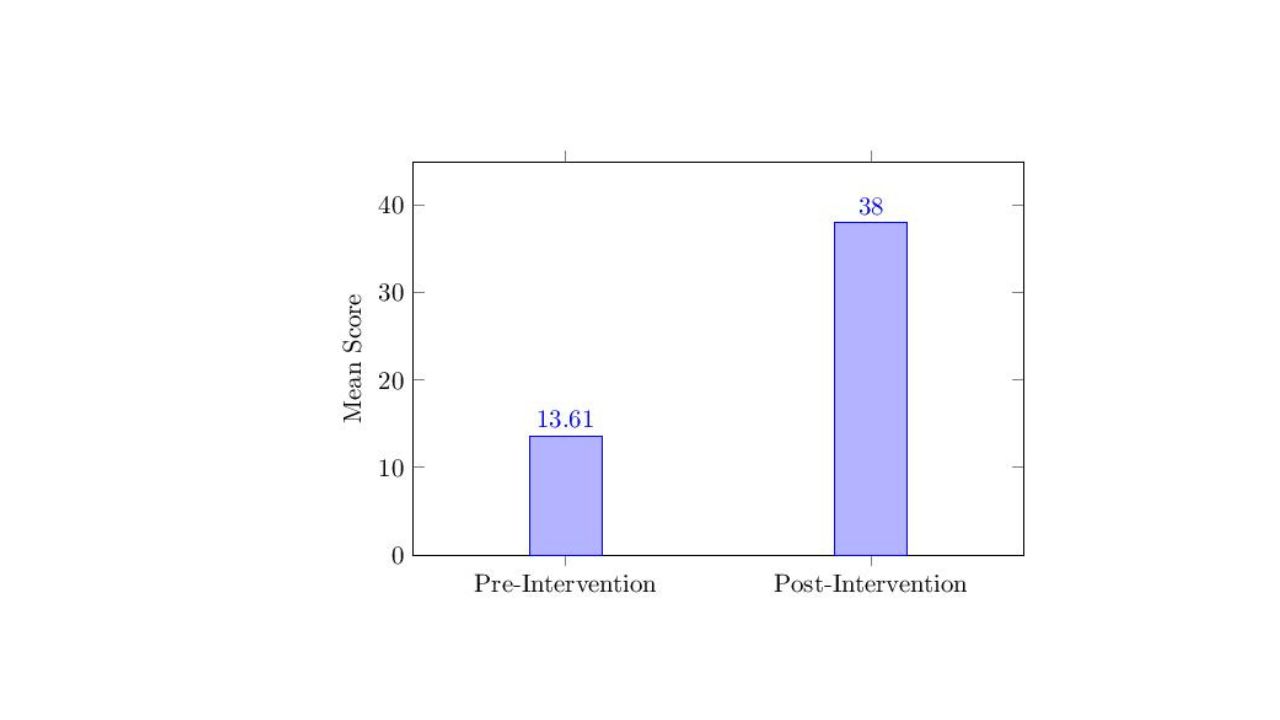
Figure III : Scores Obtained After Post-Intervention
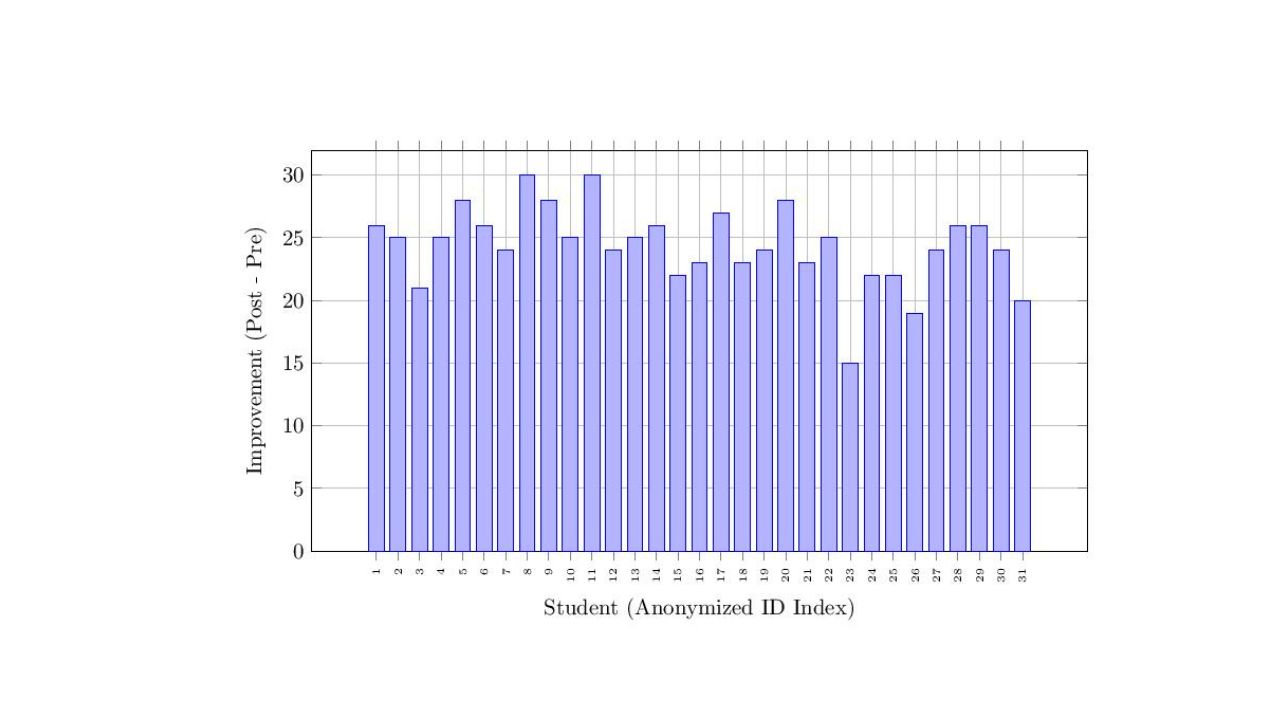
Figure IV: Scatter Plot Showing Pre-Intervention and Post-Intervention Improvement
The following results demonstrate how students from marginalized communities performed well and gained learning outcomes in the Free Computer Learning Program.
Table II: Overall Performance (All Subjects Combined) Table .
| USER NAME | Maximum Marks for Each Subject | Basics of Computer | MS Word | MS Excel | MS PowerPoint |
| UWEFENG0625062 | 20 | 18 | 13 | 12 | 10 |
| UWFENG0625013 | 20 | 16 | 13 | 16 | 11 |
| UWFENG0625014 | 20 | 19 | 13 | 15 | 15 |
| UWFENG0625015 | 20 | 15 | 15 | 13 | 17 |
| UWFENG0625016 | 20 | 16 | 14 | 20 | 14 |
| UWFENG0625017 | 20 | 19 | 16 | 14 | 18 |
| UWFENG0625019 | 20 | 19 | 16 | 15 | 13 |
| UWFENG0625020 | 20 | 17 | 17 | 16 | 16 |
| UWFENG0625021 | 20 | 16 | 13 | 15 | 13 |
| UWFENG0625022 | 20 | 18 | 13 | 14 | 14 |
| UWFENG0625023 | 20 | 17 | 13 | 14 | 13 |
| UWFENG0625026 | 20 | 17 | 12 | 12 | 15 |
| UWFENG0625029 | 20 | 14 | 17 | 16 | 15 |
| UWFENG0625031 | 20 | 17 | 13 | 14 | 16 |
| UWFENG0625032 | 20 | 19 | 15 | 12 | 15 |
| UWFENG0625036 | 20 | 18 | 12 | 16 | 13 |
| UWFENG0625038 | 20 | 16 | 16 | 15 | 15 |
| UWFENG0625039 | 20 | 18 | 15 | 14 | 13 |
| UWFENG0625042 | 20 | 19 | 16 | 15 | 15 |
| uwfeng0625053 | 20 | 19 | 15 | 14 | 13 |
| uwfeng0625054 | 20 | 18 | 14 | 15 | 12 |
| uwfeng0625055 | 20 | 17 | 14 | 14 | 15 |
| uwfeng0625056 | 20 | 18 | 17 | 15 | 15 |
| uwfeng0625057 | 20 | 18 | 14 | 16 | 16 |
| uwfeng0625058 | 20 | 19 | 17 | 15 | 17 |
| uwfeng0625059 | 20 | 18 | 16 | 14 | 17 |
| uwfeng0625062 | 20 | 19 | 14 | 12 | 17 |
| UWFENG0625063 | 20 | 19 | 15 | 14 | 17 |
| UWFENG0625064 | 20 | 19 | 14 | 15 | 14 |
| uwfeng0625067 | 20 | 18 | 18 | 16 | 16 |
| uwfeng0625068 | 20 | 18 | 16 | 16 | 14 |
Table III: Descriptive Statistics of Student Performance
| Statistic | Basics of Computer | MS Word | MS Excel | MS PowerPoint |
| Mean | 17.5 | 14.5 | 14.7 | 14.5 |
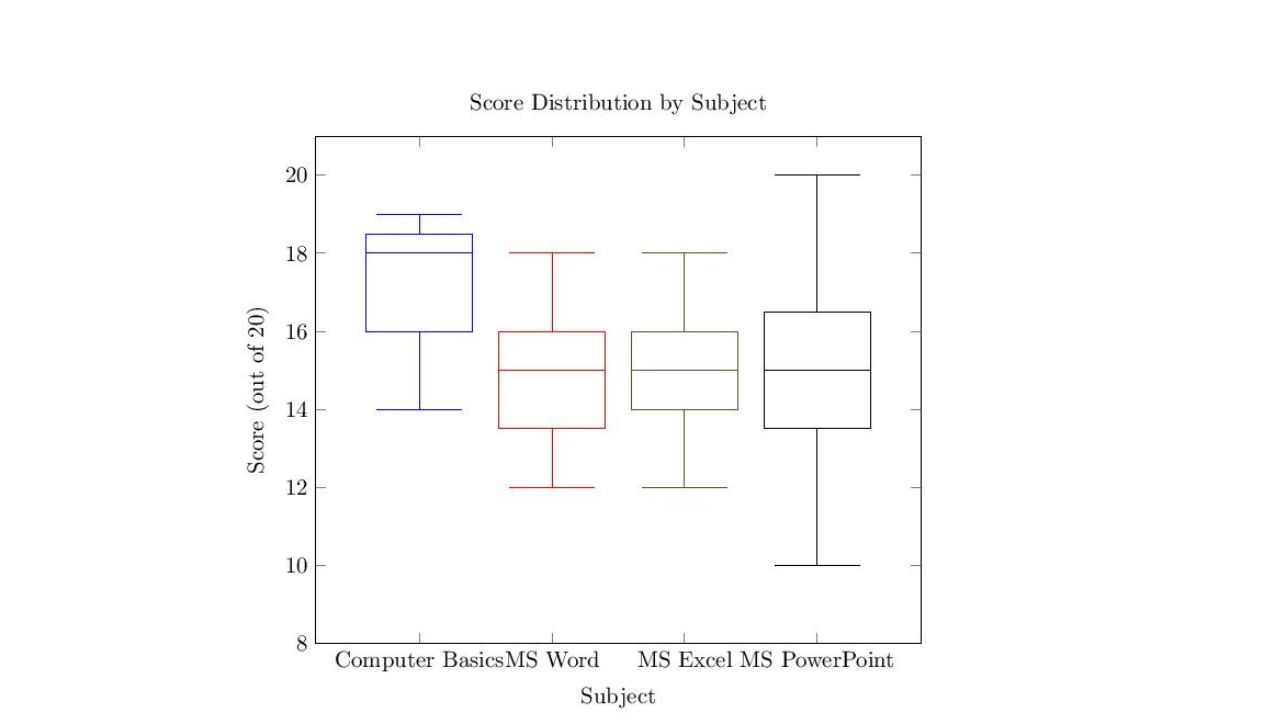
| Median | 18 | 15 | 15 | 15 |
| Mode | 18, 19 | 13, 16 | 15 | 15 |
| Standard Deviation | 1.5 | 1.8 | 1.7 | 2.0 |
| Minimum | 14 | 12 | 12 | 10 |
| Maximum | 19 | 18 | 18 | 20 |
| Range | 5 | 6 | 6 | 10 |
Figure V : Comparison of mean scores across all subjects showing Computer Basics as the highest-performing area
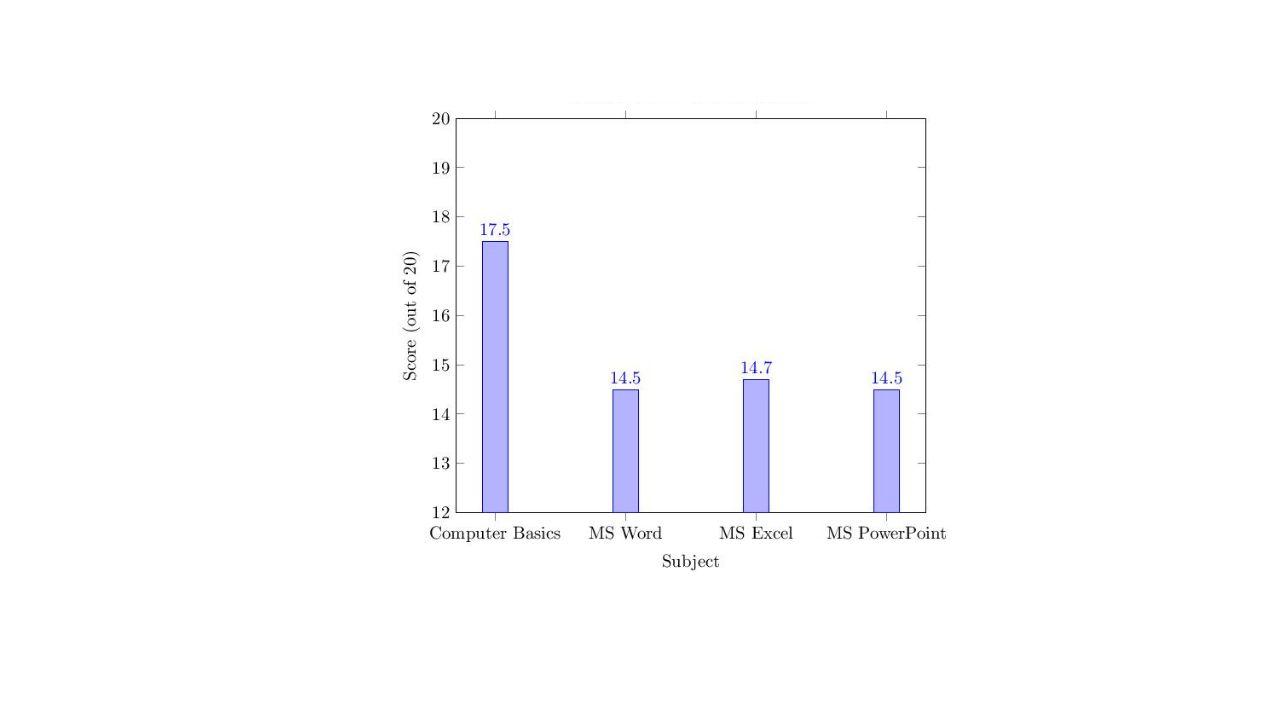
Figure VI : Performance distribution of 31 students showing 45% in Outstanding category (14 students) and only 3% (1 student) in Average category
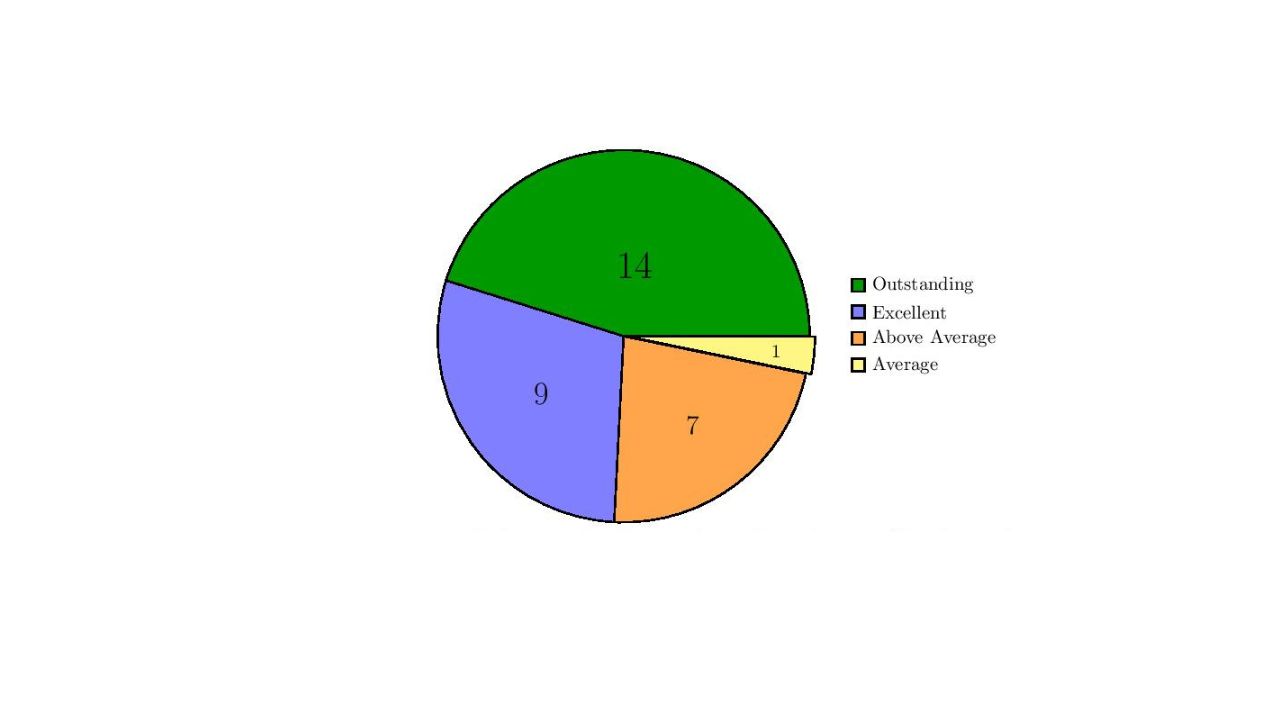
Figure VII: Box plots showing score distributions based on descriptive statistics. Computer Basics shows higher median and smaller spread compared to other subjects
4.2 Student Engagement
Screen recordings of their engagements with digital resources and video recordings showed strong engagement throughout the intervention period.
Students were actively taking part in AI-driven vocabulary and grammar quizzes. And the interactive computer literacy modules (like MS Word, Excel and PowerPoint) clearly raised functional competence. At the baseline none of the student was familiar in using computer. But by the end of the program, almost 50% reached operational fluency. This increase suggests that AI-driven practice was effective in reducing digital illiteracy within a relatively short period, perhaps more rapidly than expected.
Interestingly, several students—especially those in lower grades—also showed more confidence in trying out features that were not directly taught, which suggest the intervention didn’t just transfer skills but also sparked a kind of digital curiosity.
4.3 Uptake by Hearing-Impaired Students
The work with an NGO that supports hearing-impaired learners showed how flexible AI-generated resources can be when applied to special-needs education.
Altogether, 40 hearing-impaired students signed up and took part on the digital platform throughout the pilot phase. Tutorials were built with bilingual captions, animated visual breakdowns, and simple step-by-step demos. These accessibility elements, which sometimes felt small, turned out to be critical for comprehension and long-term retention among learners with limited auditory input.
Initial feedback from teacher-led focus groups suggested that students thought the AI-generated tutorials were more inclusive, simpler to follow, and on the whole more accessible compared to normal classroom lessons. For all students it was the first time they ever had access to structured, repeatable and visually rich digital content.
5. Discussion
5.1 Advantages of AI in Education
The findings of this intervention contribute to the expanding body of evidence that artificial intelligence can significantly enhance educational outcomes by making learning more personalized, scalable, and accessible. The fact that post-intervention test scores almost tripled makes it clear that AI-driven bilingual materials together with interactive digital exercises directly addressed gaps that traditional teaching methods too often leave open. And this outcome fits closely with earlier studies, which already suggested that adaptive AI tutoring systems may significantly boost vocabulary and computer basics learning in places where resources are thin and teacher-student ratios are highly unfavorable (Luckin et al., 2016; UNESCO, 2023).
One of the most obvious benefits of this AI integrate digital e-learning resources was personalization. Through adaptive feedback loops, students who struggled had the room to work at their own speed, slowly building up confidence while also reducing the kind of stress that usually comes with classroom tests. But in contrast, stronger learners could push ahead faster, and that meant they were less likely to get bored, or simply drift away.
Scalability was equally remarkable. The automated generation of extensive study materials—ranging from bilingual vocabulary lists to LaTeX-to-HTML converted mathematics content—demonstrated how AI systems can substantially reduce preparation time and associated costs. In a traditional classroom setting, producing such content would demand considerable teacher effort; however, in this case, it was managed at scale with minimal manual intervention.
Accessibility also emerged as a crucial factor. The provision of bilingual resources helped address significant language barriers faced by non-native English speakers, a challenge frequently reported in Indian classrooms (NCERT, 2022). By enabling students to view and engage with materials in both English and Hindi, AI reduced the cognitive burden associated with learning solely in a second language. In doing so, it fostered greater inclusivity for first-generation learners, an outcome of considerable significance.
5.2 Challenges
Although the findings of this research appear encouraging, several implementation challenges emerged, underscoring the persistent digital divide within underprivileged communities.
Device access was still a major limitation. Some students lacked steady access to personal computers, and though community-shared devices partly helped cover that gap, the uneven distribution remains a long-term obstacle. For wider scalability, real investment in low-cost device access will be needed, even if it takes time.
Dependence on internet connectivity posed another obstacle. Limited access to stable connections resulted in irregular engagement with cloud-based modules. To work around this, offline-friendly modules—like preloaded mobile apps and downloadable PDF/LaTeX resources—were built. These findings resonate with global low-resource interventions, where fragile digital infrastructure has consistently emerged as the primary bottleneck (World Bank, 2021).
5.3 Special Needs Education Implications
The collaboration with the NGO gave some important insights into how AI might work in special-needs education. Most digital education efforts usually focus on mainstream learners, but this pilot project showed that it’s actually possible to adapt AI-generated resources for hearing-impaired students. Captioning, bilingual step-by-step tutorials, and visual explanations improved accessibility and promoted learner autonomy.
Feedbacks were taken from teachers and students who are hearing impaired which suggests that the study materials and video tutorial were not just clearer than regular classroom teaching, but they also appreciated that they can use it whenever they require it later. Notably, the element of learner choice appeared almost as important as the clarity of the content itself. This underscores the broader idea that educational equity relies on innovations that account for diverse learner profiles, often more directly than current practices allow.
The study indicates that, if scaled, AI-based tools could play a transformative role in broadening access for differently-abled groups, many of whom continue to be excluded from mainstream digital learning initiatives.
5.4 Implications and Future Work
The study demonstrates that AI-enabled education is both feasible in low-resource settings and potentially transformative. However, sustaining these gains will require policy-level support, particularly in ensuring broad device distribution, reliable internet connectivity, and platforms intentionally designed for inclusivity.
Future research should move beyond short-term outcomes to examine knowledge retention over time, particularly in foundational areas such as English, Mathematics and digital literacy. Investigating the intersection of AI and mobile-first platforms is also essential, given that smartphones remain the primary device for many underprivileged learners.
The findings make clear that AI needs to be placed within the broader educational ecosystem – as something that complements, not fully replaces, traditional teaching. Maintaining inclusivity, scalability, and accessibility as guiding principles positions AI-powered education to benefit both mainstream and marginalized learners. Though not a complete solution, it represents a step toward a fairer and more optimistic global education system.
6. Conclusion & Future Work
This research shows AI learning platforms could be game-changer for helping underprivileged kids who don’t have access to normal school resources. By mixing bilingual materials, AI-made tests and gamified case studies the program really boosted vocabulary skills and computer knowledge. It also made students way more confident using tech tools.
Automated processes like LaTeX-to-HTML conversion and bilingual adaptation show that high-quality educational content can be produced with little added cost. Coupled with strong online visibility and SEO, this indicates AI platforms may help reduce digital inequities in India and beyond.
However, significant challenges remain, particularly regarding device availability and inconsistent internet connectivity. Addressing these issues will require stronger infrastructure investment and collaboration with policymakers, NGOs, and local communities.
The program’s impact extended beyond economically disadvantaged children. Its success with hearing-impaired students illustrates the adaptability of AI-enabled education for diverse learner groups. Looking ahead, the next phase involves forging broader partnerships with disability organizations and NGOs to expand this model globally.
Future research should tackle:
– Making AI content for more subjects, especially tricky STEM topics
– Building apps that work on slow connections and mobile devices for rural areas
– Partnering with global education groups to scale up
If implemented effectively, AI-enabled education could evolve from an experimental approach into a practical solution that ensures equitable access to quality learning for all children. The potential is considerable, though significant effort is still required to achieve widespread adoption.
Research Proofs & DocumentationSuggested References :
ASER Centre. (2020). Annual Status of Education Report (Rural) 2020: Wave 1. New Delhi: ASER Centre. Retrieved from [https://asercentre.org/](https://asercentre.org/)
Banerjee, A., Cole, S., Duflo, E., & Linden, L. (2007). Remedying education: Evidence from two randomized experiments in India. Quarterly Journal of Economics, 122(3), 1235–1264. [https://doi.org/10.1162/qjec.122.3.1235](https://doi.org/10.1162/qjec.122.3.1235)
Chen, L., Chen, P., & Lin, Z. (2020). Artificial intelligence in education: A review. IEEE Access, 8, 75264–75278. [https://doi.org/10.1109/ACCESS.2020.2988510](https://doi.org/10.1109/ACCESS.2020.2988510)
Cristia, J., Ibarrarán, P., Cueto, S., Santiago, A., & Severín, E. (2017). Technology and child development: Evidence from the One Laptop per Child program. American Economic Journal: Applied Economics, 9(3), 295–320. [https://doi.org/10.1257/app.20150385](https://doi.org/10.1257/app.20150385)
Cummins, J. (2000). Language, power and pedagogy: Bilingual children in the crossfire. Clevedon: Multilingual Matters.
Dwivedi, Y. K., Kshetri, N., Hughes, L., Slade, E. L., Jeyaraj, A., Kar, A. K., … & Wright, R. (2023). So what if ChatGPT wrote it? Multidisciplinary perspectives on opportunities, challenges and implications of generative conversational AI for research, practice and policy. International Journal of Information Management, 71, 102642. [https://doi.org/10.1016/j.ijinfomgt.2023.102642](https://doi.org/10.1016/j.ijinfomgt.2023.102642)
Goodman, J. (2020). Machine translation and educational access: Opportunities and challenges. Educational Technology Research and Development, 68(4), 1967–1983. [https://doi.org/10.1007/s11423-020-09771-0](https://doi.org/10.1007/s11423-020-09771-0)
Hamari, J., Shernoff, D. J., Rowe, E., Coller, B., Asbell-Clarke, J., & Edwards, T. (2016). Challenging games help students learn: An empirical study on engagement, flow and immersion in game-based learning. Computers in Human Behavior, 54, 170–179. [https://doi.org/10.1016/j.chb.2015.07.045](https://doi.org/10.1016/j.chb.2015.07.045)
Holmes, W., Bialik, M., & Fadel, C. (2019). Artificial intelligence in education: Promises and implications for teaching and learning. Boston, MA: Center for Curriculum Redesign.
Karsenti, T. (2023). Artificial intelligence and the teaching profession: A critical look at ChatGPT’s potential in education. Education and Information Technologies, 28(6), 1–20. [https://doi.org/10.1007/s10639-023-11749-7](https://doi.org/10.1007/s10639-023-11749-7)
Kingdon, G. G. (2007). The progress of school education in India. Oxford Review of Economic Policy, 23(2), 168–195. [https://doi.org/10.1093/oxrep/grm015](https://doi.org/10.1093/oxrep/grm015)
Kulik, J. A., & Fletcher, J. D. (2016). Effectiveness of intelligent tutoring systems: A meta-analytic review. Review of Educational Research, 86(1), 42–78. [https://doi.org/10.3102/0034654315581420](https://doi.org/10.3102/0034654315581420)
Lamport, L. (1994). LaTeX: A document preparation system (2nd ed.). Boston, MA: Addison-Wesley.
Luckin, R., & Cukurova, M. (2019). Designing educational technologies in the age of AI: A learning sciences-driven approach. British Journal of Educational Technology, 50(6), 2824–2838. [https://doi.org/10.1111/bjet.12861](https://doi.org/10.1111/bjet.12861)
Marschark, M., & Hauser, P. C. (2012). How deaf children learn: What parents and teachers need to know. New York: Oxford University Press. [https://doi.org/10.1093/acprof\:oso/9780199750986.001.0001](https://doi.org/10.1093/acprof:oso/9780199750986.001.0001)
MathStudy. (n.d.): Low-cost mathematics learning resources and eBooks. Retrieved from [https://www.mathstudy.in/](https://www.mathstudy.in/)
Miao, F., & Holmes, W. (2021). AI and education: Guidance for policy-makers. Paris: UNESCO Publishing.
Mohanty, A. K. (2009). Multilingual education: A bridge too far? In T. Skutnabb-Kangas, R. Phillipson, A. K. Mohanty, & M. Panda (Eds.), Social justice through multilingual education (pp. 3–15). Bristol: Multilingual Matters. [https://doi.org/10.21832/9781847691910-003](https://doi.org/10.21832/9781847691910-003)
NCERT. (2022). Learning outcomes at the elementary stage. National Council of Educational Research and Training, New Delhi. Retrieved from [https://ncert.nic.in/pdf/publication/otherpublications/learning\_outcomes.pdf](https://ncert.nic.in/pdf/publication/otherpublications/learning_outcomes.pdf)
Nyagah, G., & Kombo, K. (2017). Eneza education: Scaling mobile learning for low-income communities in Africa. International Journal of Education and Development using ICT, 13(2), 109–121.
OpenAI. (2023). GPT-4 technical report. arXiv preprint arXiv:2303.08774. [https://doi.org/10.48550/arXiv.2303.08774](https://doi.org/10.48550/arXiv.2303.08774)
Pane, J. F., Steiner, E. D., Baird, M. D., & Hamilton, L. S. (2015). Continued progress: Promising evidence on personalized learning. RAND Corporation. [https://doi.org/10.7249/RR1365](https://doi.org/10.7249/RR1365)
Sweller, J. (1988). Cognitive load during problem solving: Effects on learning. Cognitive Science, 12(2), 257–285. [https://doi.org/10.1207/s15516709cog1202\_4](https://doi.org/10.1207/s15516709cog1202_4)
Trucano, M. (2010). ICT in education policy, practice and research: The World Bank’s experience. Washington, DC: World Bank.
Udgam Welfare Foundation. (n.d.). *Free Class 12 mathematics tutorial: Chapter-wise videos, study material, and online tests*. Retrieved from [https://udgamwelfarefoundation.com/free-math-tutorial-class-12/](https://udgamwelfarefoundation.com/free-math-tutorial-class-12/)
Udgam Welfare Foundation. (n.d.). *Free JEE mathematics tutorial: Study material, practice problems, and online assessments*. Retrieved from [https://udgamwelfarefoundation.com/free-jee-mains-and-advanced-math-tutorial/](https://udgamwelfarefoundation.com/free-jee-mains-and-advanced-math-tutorial/)
Udgam Welfare Foundation. (n.d.). *Udgam Welfare Foundation: Educational initiatives for underprivileged students*. Retrieved from [https://www.udgamwelfarefoundation.com/](https://www.udgamwelfarefoundation.com/)
cha UNESCO. (2015). Education for All 2000–2015: Achievements and challenges. Paris: UNESCO Publishing. [https://doi.org/10.18356/8b84f708-en](https://doi.org/10.18356/8b84f708-en)
UNESCO. (2019). Global education monitoring report 2019: Migration, displacement and education – Building bridges, not walls. Paris: UNESCO.
UNESCO. (2021). AI and education: Guidance for policy-makers. Paris: UNESCO Publishing. [https://unesdoc.unesco.org/ark:/48223/pf0000376709](https://unesdoc.unesco.org/ark:/48223/pf0000376709)
Van Dijk, J. A. G. M. (2020). The digital divide. Cambridge: Polity Press.
VanLehn, K. (2011). The relative effectiveness of human tutoring, intelligent tutoring systems, and other tutoring systems. Educational Psychologist, 46(4), 197–221. [https://doi.org/10.1080/00461520.2011.611369](https://doi.org/10.1080/00461520.2011.611369)
Vygotsky, L. S. (1978). Mind in society: The development of higher psychological processes. Harvard University Press.
Warschauer, M. (2004). Technology and social inclusion: Rethinking the digital divide. MIT Press. [https://doi.org/10.7551/mitpress/6699.001.0001](https://doi.org/10.7551/mitpress/6699.001.0001)
West, M., & Chew, H. E. (2014). Reading in the mobile era: A study of mobile reading in developing countries. Paris: UNESCO.
World Bank. (2020). World development report 2020: Trading for development in the age of global value chains. Washington, DC: World Bank. [https://doi.org/10.1596/978-1-4648-1457-0](https://doi.org/10.1596/978-1-4648-1457-0)
Zawacki-Richter, O., Marín, V. I., Bond, M., & Gouverneur, F. (2019). Systematic review of research on artificial intelligence applications in higher education—Where are the educators? International Journal of Educational Technology in Higher Education, 16(1), 39. [https://doi.org/10.1186/s41239-019-0171-0](https://doi.org/10.1186/s41239-019-0171-0)